Brama: Premium Appliances
Brama: Premium Appliances




Brama: Premium Appliances

Cave-Like Cellars


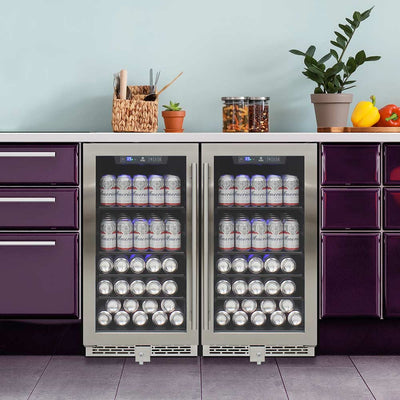
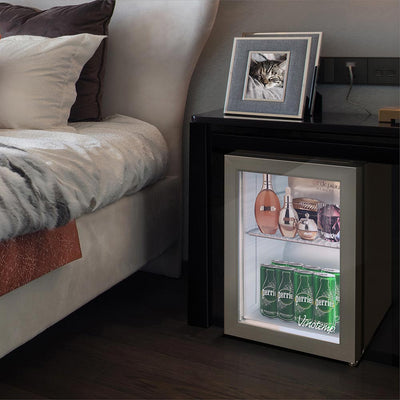
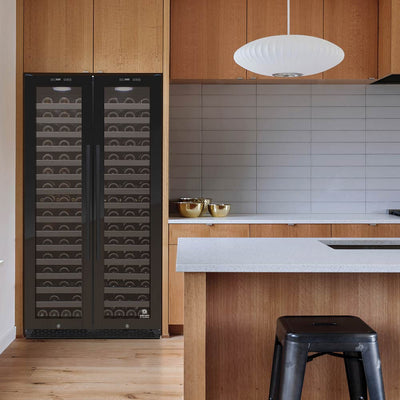
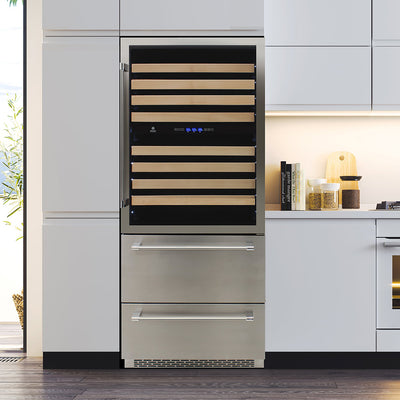
Vinotemp.com offers a wide selection of wine storage solutions and wine accessories. Our family of premium brands includes Vinotemp, Epicureanist, Apex, Element by Vinotemp, Brama, and Wine-Mate.
A Diverse Catalog Perfect for Wine Lovers:
Shop online 24 hours a day! Our online store includes wine storage solutions such as wine cabinets, walk-in wine cabinets, wine lockers, wine rooms, wood wine racks, metal wine racks, and custom design, commercial and residential wine coolers and wine refrigerators. Vinotemp.com also sells beverage coolers, wine and beverage dispensers, outdoor refrigerators, and ice makers. If you have a wine cellar, our Wine-Mate Cellar Cooling Systems come in a variety of designs such as self-contained, split, and ducted. Our housewares category has everything you need for entertaining, serving, and gifts. We have a sophisticated selection of wine glasses and tumblers, cleaning accessories, cheese serving trays, wine corkscrews, wine preservers and stoppers, cigar humidors, candles, and more. Vinotemp.com is also proud to offer Apex steam and saunas, including infrared.
Should I invest in a wine refrigerator, wine cellar, or wine cabinet?
The enemies of wine are temperature fluctuations, direct light, and vibration. To properly age and store wine, you must combat these three enemies by choosing the proper storage solution.
Wine Cellars:
If you are storing your wine for longer than a 12-month period and have the space and budget, a wine cellar is the perfect choice. Wine cellars offer a larger storage capacity and can be insulated as well as temperature controlled.
Wine Cabinets:
Wine cabinets are a furniture-style storage solution that can be made to compliment a room. Similar to a wine cellar, they are insulated, temperature controlled, and can protect wine from its three enemies. They require less space than a wine cellar.
Wine Refrigerators:
When there’s no room for a wine cellar or wine cabinet, a wine refrigerator can be the perfect place to store your wine. Their compact design makes them perfect on the counter-top, freestanding, or built-in or recessed into existing cabinetry.
Single or Dual-Zone Wine Cooler?
If storing both red and white wine, you may want to consider a dual-zone wine refrigerator. With two independent temperature zones, you can use one zone for red and one for white. You can also use one zone for those bottles you’re ready to serve in the near future and the second for those you are keeping for later. If you are storing one type of wine or simply do not have enough space, a single-zone wine cooler may be a more practical option.
Questions? Contact one of our specialists by using our Contact Form


